



Introduction
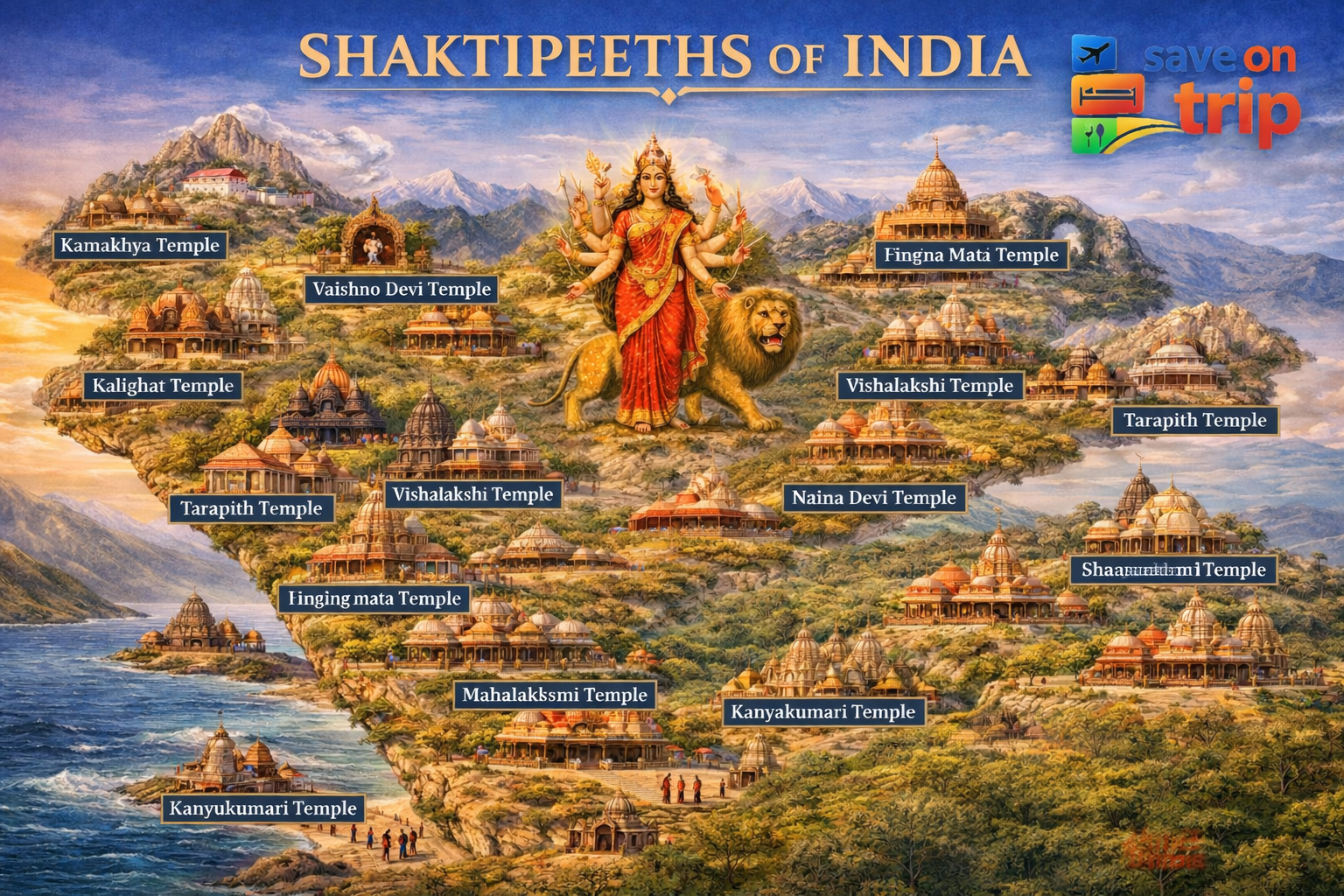
Shaktipeeths are sacred temples dedicated to Goddess Shakti, formed where parts of Goddess Sati’s body fell. These divine sites hold immense spiritual significance and attract devotees from across the world.
Shaktipeeths in India are among the most sacred pilgrimage sites dedicated to Goddess Shakti, the divine feminine power in Hinduism. According to ancient beliefs, these holy shrines are located at places where parts of Goddess Sati’s body fell during the cosmic event of Daksha Yajna. As a result, each Shaktipeeth holds immense spiritual significance and unique divine energy. Spread across different regions of India, these temples attract millions of devotees seeking blessings, Shakti and inner peace. Moreover, visiting Shaktipeeths is considered a deeply spiritual journey that strengthens faith and devotion.
| S. No. | Shaktipeeth Name | Location (State/Country) | Body Part of Sati | Temple Timings |
|---|---|---|---|---|
| 1 | Kamakhya Temple | Guwahati, Assam | Womb/Yoni | 5:30 AM – 10:00 PM |
| 2 | Kalighat Temple | Kolkata, West Bengal | Right Toe | 5:00 AM – 2:00 PM, 5:00 PM – 10:30 PM |
| 3 | Vaishno Devi | Katra, J&K | Hand | 24 Hours |
| 4 | Jwala Devi | Kangra, Himachal | Tongue | 5:00 AM – 10:00 PM |
| 5 | Kanchi Kamakshi | Kanchipuram, Tamil Nadu | Navel | 5:30 AM – 12:00 PM, 4:00 PM – 8:30 PM |
| 6 | Vishalakshi | Varanasi, UP | Earrings | 4:00 AM – 11:00 PM |
| 7 | Naina Devi | Himachal Pradesh | Eyes | 6:00 AM – 10:00 PM |
| 8 | Tara Tarini | Odisha | Breasts | 6:00 AM – 9:00 PM |
| 9 | Chamundeshwari | Mysuru, Karnataka | Hair | 7:30 AM – 2:00 PM, 3:30 PM – 6:00 PM |
| 10 | Mahalakshmi | Kolhapur, Maharashtra | Eyes | 4:30 AM – 10:00 PM |
| 11 | Hinglaj Mata | Gujarat (Traditionally Pakistan) | Head | Sunrise – Sunset |
| 12 | Kanyakumari | Tamil Nadu | Back | 4:30 AM – 12:30 PM, 4:00 PM – 8:30 PM |
| 13 | Biraja Temple | Jajpur, Odisha | Navel | 5:30 AM – 9:00 PM |
| 14 | Ujjaini Mahakali | West Bengal | Elbow | 6:00 AM – 9:00 PM |
| 15 | Tripura Sundari | Tripura | Right Foot | 5:00 AM – 10:00 PM |
| 16 | Ambaji Temple | Gujarat | Heart | 7:00 AM – 9:00 PM |
| 17 | Mangalagauri | Gaya, Bihar | Breast | 6:00 AM – 8:00 PM |
| 18 | Chhinnamasta | Jharkhand | Neck | 6:00 AM – 8:00 PM |
| 19 | Srisailam | Andhra Pradesh | Neck/Upper Lip | 4:30 AM – 10:00 PM |
| 20 | Maihar Sharda | Madhya Pradesh | Necklace | 5:00 AM – 10:00 PM |
| 21 | Kireet | Murshidabad, WB | Crown | 6:00 AM – 8:00 PM |
| 22 | Attahas | Birbhum, WB | Lower Lip | 6:00 AM – 8:00 PM |
| 23 | Bahula | Bardhaman, WB | Left Arm | 6:00 AM – 8:00 PM |
| 24 | Nalhateshwari | WB | Throat | 6:00 AM – 8:00 PM |
| 25 | Ugratara | Bihar | Eye | 5:00 AM – 9:00 PM |
| 26 | Jwalamukhi | Himachal | Tongue | 5:00 AM – 10:00 PM |
| 27 | Sugandha | Bangladesh | Nose | 6:00 AM – 8:00 PM |
| 28 | Tripureshwari | Tripura | Right Foot | 5:00 AM – 10:00 PM |
| 29 | Bhramari | WB | Left Leg | 6:00 AM – 8:00 PM |
| 30 | Bakreshwar | WB | Forehead | 6:00 AM – 9:00 PM |
| 31 | Kankalitala | WB | Skeleton | 6:00 AM – 8:00 PM |
| 32 | Nandikeshwari | WB | Necklace | 6:00 AM – 8:00 PM |
| 33 | Jessoreswari | Bangladesh | Palm | 6:00 AM – 8:00 PM |
| 34 | Vibhasha | Tamluk, WB | Ankle | 6:00 AM – 8:00 PM |
| 35 | Kurukshetra | Haryana | Ankle | 6:00 AM – 8:00 PM |
| 36 | Manibandh | Pushkar, Rajasthan | Wrist | 5:00 AM – 9:00 PM |
| 37 | Ramgiri | Madhya Pradesh | Breast | 6:00 AM – 8:00 PM |
| 38 | Godavari Tir | Nashik, Maharashtra | Left Cheek | 5:00 AM – 9:00 PM |
| 39 | Ratnavali | Hooghly, WB | Shoulder | 6:00 AM – 8:00 PM |
| 40 | Mithila | Bihar/Nepal Region | Shoulder | 6:00 AM – 8:00 PM |
| 41 | Kalika | Pavagadh, Gujarat | Toe | 5:00 AM – 9:00 PM |
| 42 | Devikup | Punjab | Ankle | 5:00 AM – 9:00 PM |
| 43 | Viraja | Odisha | Navel | 5:30 AM – 9:00 PM |
| 44 | Bhabanipur | Bangladesh | Ankle | 6:00 AM – 8:00 PM |
| 45 | Janasthan | Nashik, Maharashtra | Chin | 5:00 AM – 9:00 PM |
| 46 | Sarvashail | Andhra Pradesh | Cheek | 6:00 AM – 8:00 PM |
| 47 | Karveer | Kolhapur, Maharashtra | Eyes | 4:30 AM – 10:00 PM |
| 48 | Lanka | Sri Lanka | Anklet | Sunrise – Sunset |
| 49 | Manasa | Tibet (Kailash) | Right Hand | Seasonal Access |
| 50 | Panchsagar | Unknown | Teeth | Unknown |
| 51 | Sri Parvat | Ladakh | Ankle | 6:00 AM – 8:00 PM |
1. Kamakhya Devi Temple (Assam)
Located in Guwahati, the Kamakhya Devi Temple is one of the most powerful Shaktipeeths in India. It is believed that Goddess Sati’s womb fell here, symbolizing fertility and creation. Unlike other temples, there is no idol; instead, a natural rock formation is worshipped.
The temple is famous for the Ambubachi Mela, celebrating the annual menstruation cycle of the Goddess, making it unique in Hindu traditions. Devotees visit throughout the year seeking blessings for prosperity and spiritual growth. Surrounded by scenic hills, the temple offers a deeply mystical and serene experience.
2. Kalighat Kali Temple (West Bengal)
Situated in Kolkata, the Kalighat Kali Temple is among the most visited Shaktipeeths. It is believed that Goddess Sati’s right toe fell here.
The temple is dedicated to Goddess Kali, depicted in a fierce yet protective form. Pilgrims flock here daily to offer prayers and seek blessings for protection and strength. The temple’s vibrant energy, combined with traditional rituals and chants, creates an intense spiritual atmosphere.
Kalighat is also an important cultural landmark, reflecting Bengal’s deep-rooted devotion to Goddess Kali and its rich spiritual heritage.
3. Vaishno Devi (Jammu & Kashmir)
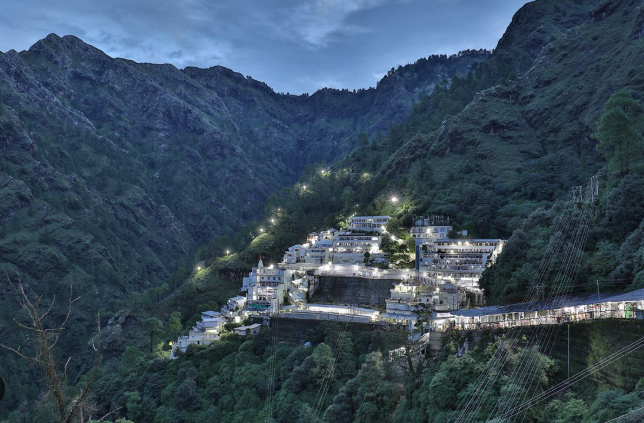
Located in Katra, Vaishno Devi Temple is one of the most revered pilgrimage sites in India. It is believed that the hand of Goddess Sati fell here.
The temple is nestled in the Trikuta Mountains and requires a trek of around 12 km, making the journey both spiritual and adventurous. Devotees chant “Jai Mata Di” as they climb, creating an atmosphere filled with devotion.
Inside the cave, the Goddess is worshipped in the form of three natural rock formations (Pindis), representing Mahakali, Mahalakshmi, and Mahasaraswati.
4. Jwala Devi Temple (Himachal Pradesh)
The Jwala Devi Temple, located in Kangra, is famous for its eternal flames that burn without any visible fuel. It is believed that Goddess Sati’s tongue fell at this sacred site.
Instead of an idol, the temple worships natural flames emerging from rock fissures, symbolizing divine energy. These flames have been burning for centuries and are considered miraculous.
Pilgrims visit to witness this unique phenomenon and seek blessings for strength and protection. The temple’s serene mountain setting adds to its mystical charm.
5. Kanchi Kamakshi Temple (Tamil Nadu)
Situated in Kanchipuram, the Kamakshi Amman Temple is a significant Shaktipeeth where Goddess Sati’s navel is believed to have fallen.
The temple is dedicated to Goddess Kamakshi, representing love, compassion, and power. Known for its stunning Dravidian architecture, the temple attracts both devotees and architecture enthusiasts.
Festivals like Navratri are celebrated with great enthusiasm, drawing thousands of visitors. The temple is also part of the sacred “Kanchi trio” of temples, making it an important spiritual center in South India.
6. Vishalakshi Temple (Varanasi, Uttar Pradesh)
Located in the holy city of Varanasi, the Vishalakshi Temple is a revered Shaktipeeth where Goddess Sati’s earrings are believed to have fallen. The temple stands close to the sacred Ganges River, enhancing its spiritual aura.
Goddess Vishalakshi, meaning “wide-eyed,” symbolizes compassion and divine grace. Devotees visit to seek blessings for wisdom, peace, and fulfillment. The temple’s proximity to Kashi Vishwanath makes it an essential stop during pilgrimage.
Its vibrant surroundings, filled with chants and rituals, offer a deeply immersive spiritual experience in one of India’s oldest living cities.
7. Naina Devi Temple (Himachal Pradesh)
Perched atop a hill in Bilaspur, the Naina Devi Temple marks the spot where Goddess Sati’s eyes fell. The temple offers breathtaking panoramic views of the surrounding valleys.
It is a significant pilgrimage site, especially during Navratri when thousands of devotees visit. The journey to the temple, whether by trekking or ropeway, adds to the spiritual experience.
Goddess Naina Devi is worshipped as the protector and fulfiller of wishes, making it a place of immense faith and devotion.
8. Tara Tarini Temple (Odisha)
Situated near Brahmapur, the Tara Tarini Temple is one of the oldest Shaktipeeths, where Goddess Sati’s breasts are believed to have fallen.
The temple is located on a hill overlooking the Rushikulya River, offering a serene and scenic environment. Devotees climb hundreds of steps or take a road to reach the shrine.
Goddess Tara and Tarini are worshipped as nurturing mother figures. The Chaitra Mela festival attracts thousands of pilgrims, making it a vibrant spiritual gathering.
9. Chamundeshwari Temple (Karnataka)
Located on Chamundi Hills in Mysuru, the Chamundeshwari Temple is a prominent Shaktipeeth where Goddess Sati’s hair is believed to have fallen.
The temple is dedicated to Goddess Chamundeshwari, a fierce form of Durga who defeated the demon Mahishasura. The site offers stunning views of Mysuru city and is a major tourist attraction.
Devotees visit to seek protection and courage. The temple becomes especially lively during Dussehra celebrations, reflecting Karnataka’s rich cultural heritage.
10. Mahalakshmi Temple (Kolhapur, Maharashtra)
Situated in Kolhapur, the Mahalakshmi Temple is a sacred Shaktipeeth where Goddess Sati’s eyes are believed to have fallen.
The temple is dedicated to Goddess Mahalakshmi, the deity of wealth and prosperity. Built in ancient architectural style, it attracts devotees throughout the year.
A unique feature is the Kirnotsav festival, when sunlight falls directly on the deity, creating a divine spectacle. Pilgrims visit to seek blessings for financial stability and success.
11. Hinglaj Mata Temple (Gujarat)
Located in Gujarat, the Hinglaj Mata Temple is considered one of the oldest Shaktipeeths. It is believed that Goddess Sati’s head fell here. Traditionally associated with remote desert terrain, this sacred site symbolizes devotion and endurance.
The temple is revered by both Hindus and local communities, making it a unique spiritual destination. Pilgrims undertake challenging journeys to seek blessings, especially during annual yatras.
Surrounded by rugged landscapes, the temple offers a deeply spiritual and adventurous experience, attracting those who seek both faith and resilience.
12. Kanyakumari Temple (Tamil Nadu)
Situated in Kanyakumari, the Kanyakumari Temple marks the place where Goddess Sati’s back is believed to have fallen. Located at the southernmost tip of India, it is surrounded by the confluence of three seas.
The temple is dedicated to Goddess Kanyakumari, a youthful form of Parvati symbolizing purity and strength. The serene ocean views and mesmerizing sunrise make it a spiritually uplifting destination.
Devotees visit to seek blessings for peace, prosperity, and new beginnings, making it both a religious and scenic attraction.
13.Biraja Temple (Odisha)
Located in Jajpur, the Biraja Temple is an important Shaktipeeth where Goddess Sati’s navel is believed to have fallen.
The temple is dedicated to Goddess Biraja, depicted as a powerful warrior holding weapons and symbolizing strength. It is also known as “Nabhi Gaya,” making it significant for ancestral rituals.
The temple complex reflects traditional Kalinga architecture and attracts devotees throughout the year, especially during Navratri.
14. Ujjaini Mahakali Temple (West Bengal)
Situated in West Bengal, the Ujjaini Mahakali Temple is believed to be the place where Goddess Sati’s elbow fell. This temple holds deep spiritual importance among devotees of Goddess Kali.
The deity is worshipped in her fierce form, representing protection and destruction of evil forces. The temple is especially vibrant during Kali Puja, attracting thousands of devotees.
Its sacred atmosphere and powerful rituals make it a must-visit destination for spiritual seekers.
15. Bhairavi Temple (Tripura)
Located in Udaipur, the Bhairavi Temple (often associated with Tripura Sundari) is a sacred Shaktipeeth where Goddess Sati’s right foot is believed to have fallen.
The temple is one of the most important spiritual centers in Northeast India. Goddess Tripura Sundari is worshipped here as a form of divine beauty and supreme power.
The temple’s peaceful surroundings and rich traditions attract devotees seeking harmony and spiritual enlightenment.
16. Ambaji Temple (Gujarat)
Located in Banaskantha, the Ambaji Temple is a highly revered Shaktipeeth where Goddess Sati’s heart is believed to have fallen. It is one of the most important pilgrimage sites in western India.
The temple is unique as it does not have a traditional idol; instead, a sacred geometric symbol called the “Shree Visa Yantra” is worshipped. Devotees from across the country visit, especially during Bhadrapad Purnima.
Surrounded by the Aravalli hills, the temple offers a peaceful yet spiritually charged atmosphere for seekers.
17. Mangalagauri Temple (Bihar)
Situated in Gaya, the Mangalagauri Temple is believed to be the place where Goddess Sati’s breast fell. It is considered highly auspicious for married women.
The temple is located on a hilltop and requires climbing several steps, adding to the devotional experience. Tuesdays during the Shravan month are particularly significant here.
Devotees pray for marital bliss, prosperity, and family well-being, making it a spiritually fulfilling destination.
18. Chhinnamasta Temple (Jharkhand)
Located near Ramgarh, the Chhinnamasta Temple is a unique Shaktipeeth where Goddess Sati’s neck is believed to have fallen.
The temple is dedicated to Goddess Chhinnamasta, depicted in a rare self-decapitated form symbolizing power and self-sacrifice. It stands at the confluence of the Damodar and Bhairavi rivers.
The temple attracts devotees seeking spiritual transformation and strength. Its distinct imagery and powerful symbolism make it one of the most intriguing Shaktipeeths.
19. Srisailam Temple (Andhra Pradesh)
Situated in Andhra Pradesh, the Srisailam Temple is a sacred site where Goddess Sati’s neck (or upper lip, according to some beliefs) is said to have fallen.
The temple is unique as it is both a Jyotirlinga (dedicated to Lord Shiva as Mallikarjuna) and a Shaktipeeth (Bhramaramba Devi). This dual significance makes it extremely important for pilgrims.
Surrounded by forested hills, the temple offers a serene environment, drawing devotees seeking both spiritual and natural experiences.
20. Maihar Sharda Temple (Madhya Pradesh)
Located in Maihar, the Maihar Sharda Temple is believed to be the place where Goddess Sati’s necklace fell.
The temple is perched on a hill and can be reached by climbing over 1,000 steps or via ropeway. Goddess Sharda is worshipped as the deity of wisdom and knowledge.
The temple attracts devotees, students, and spiritual seekers who come to seek blessings for education and success.
21. Kireet Shaktipeeth (West Bengal)
Located in Murshidabad, the Kireet Shaktipeeth is believed to be the place where Goddess Sati’s crown (Kireet) fell. This temple symbolizes divine authority and spiritual power.
The temple is relatively less crowded, offering a peaceful environment for meditation and prayer. Devotees visit to seek blessings for success, respect, and leadership.
Its serene surroundings and historical significance make it an important yet lesser-explored Shaktipeeth in eastern India.
22. Attahas Shaktipeeth (West Bengal)
Situated in Birbhum, the Attahas Shaktipeeth is believed to be the place where Goddess Sati’s lower lip fell.
The name “Attahas” means loud laughter, symbolizing joy and cosmic energy. The temple is surrounded by rural landscapes, offering a calm and spiritual setting.
Devotees come here to seek happiness, emotional strength, and inner peace. The temple holds special importance during festivals dedicated to Goddess Shakti.
23. Bahula Shaktipeeth (West Bengal)
Located in Bardhaman, the Bahula Shaktipeeth marks the spot where Goddess Sati’s left arm is believed to have fallen.
The temple is dedicated to Goddess Bahula, representing strength and protection. It is a peaceful site where devotees come to pray for courage and stability in life.
The temple’s simplicity and spiritual aura make it a meaningful destination for those seeking divine guidance.
24. Nalhateshwari Temple (West Bengal)
Situated in Nalhati, the Nalhateshwari Temple is believed to be the place where Goddess Sati’s throat (Nala) fell.
The temple is located on a small hill and offers a tranquil environment for worship. Devotees visit to seek blessings for health, communication, and well-being.
The temple’s spiritual significance and peaceful surroundings make it a hidden gem among Shaktipeeths.
25. Ugratara Temple (Bihar)
Located in Saharsa, the Ugratara Temple is believed to be the site where Goddess Sati’s eye fell.
The temple is dedicated to Goddess Tara in her fierce form, symbolizing protection and destruction of evil. It is an important center of Tantric worship.
Devotees visit to seek protection, courage, and spiritual strength. The temple holds special significance during Navratri and other festivals.
26. Jwalamukhi Shaktipeeth (Himachal Pradesh)
Located in Kangra, the Jwalamukhi Shaktipeeth is one of the most unique temples where Goddess Sati’s tongue is believed to have fallen.
Instead of an idol, natural eternal flames emerge from the rocks and are worshipped as the Goddess. These flames have been burning continuously for centuries, symbolizing divine power.
The temple attracts thousands of devotees, especially during Navratri. Its mystical aura and miraculous flames make it a truly fascinating spiritual destination.
27. Sugandha Shaktipeeth (Bangladesh)
Situated near Barisal, the Sugandha Shaktipeeth is believed to be the place where Goddess Sati’s nose fell.
The temple is dedicated to Goddess Sunanda and lies near the banks of the Sugandha River. It holds great importance for devotees in Bangladesh and nearby regions.
Pilgrims visit to seek blessings for prosperity and well-being. The temple’s serene environment adds to its spiritual charm.
28. Tripureshwari Temple (Tripura)
Located in Udaipur, the Tripureshwari Temple is one of the most important Shaktipeeths where Goddess Sati’s right foot is believed to have fallen.
Also known as Tripura Sundari Temple, it is among the 51 sacred sites and attracts devotees from across the country. The temple is situated near a beautiful lake, enhancing its scenic beauty.
Goddess Tripura Sundari is worshipped as a symbol of beauty, power, and divine grace.
29. Bhramari Temple (West Bengal)
Situated in Jalpaiguri, the Bhramari Shaktipeeth is believed to be the place where Goddess Sati’s left leg fell.
The temple is dedicated to Goddess Bhramari, associated with bees and nature. Surrounded by lush greenery and tea gardens, it offers a calm and refreshing spiritual environment.
Devotees visit to seek protection and harmony, making it a peaceful retreat for spiritual seekers.
30. Bakreshwar Temple (West Bengal)
Located in Birbhum, the Bakreshwar Temple is believed to be the site where Goddess Sati’s forehead fell.
The temple is also known for its hot water springs, which are considered sacred and therapeutic. It is dedicated to Lord Shiva as well as Goddess Shakti.
Pilgrims visit to take holy dips and seek healing, making it both a spiritual and wellness destination.
31. Kankalitala Temple (West Bengal)
Located near Bolpur, the Kankalitala Temple is believed to be the place where Goddess Sati’s skeleton (kankal) fell.
Situated near the Kopai River, the temple has a peaceful yet powerful spiritual aura. It is considered highly sacred among devotees of Goddess Shakti.
Pilgrims visit to seek liberation from negative energies and attain spiritual peace. The calm natural surroundings enhance the meditative experience.
Meta Description: Visit Kankalitala Temple in West Bengal, a sacred Shaktipeeth known for spiritual peace and divine energy.
32. Nandikeshwari Temple (West Bengal)
Situated in Sainthia, the Nandikeshwari Temple is believed to mark the spot where Goddess Sati’s necklace fell.
The temple is dedicated to Goddess Nandikeshwari and holds great importance among local devotees. It is often visited along with nearby Shaktipeeths.
The temple’s vibrant rituals and strong spiritual atmosphere attract pilgrims seeking blessings for prosperity and protection.
33. Jessoreswari Temple (Bangladesh)
Located in Satkhira, the Jessoreswari Temple is a revered Shaktipeeth where Goddess Sati’s palm is believed to have fallen.
The temple is dedicated to Goddess Kali and holds immense religious importance among devotees in Bangladesh and India.
Despite historical challenges, the temple continues to be a symbol of faith and devotion. Pilgrims visit to seek strength, protection, and blessings.
34. Vibhasha Shaktipeeth (West Bengal)
Situated in Tamluk, the Vibhasha Shaktipeeth is believed to be the place where Goddess Sati’s left ankle fell.
The temple is dedicated to Goddess Bhimarupa and is considered an important pilgrimage site in eastern India.
Devotees visit to seek stability, strength, and guidance. The temple’s simple yet divine atmosphere makes it a peaceful place for worship.
35. Kurukshetra Shaktipeeth (Haryana)
Located in Kurukshetra, the Kurukshetra Shaktipeeth is believed to be the place where Goddess Sati’s ankle fell.
This sacred land is also associated with the epic Mahabharata, adding to its spiritual importance. The temple is visited by pilgrims seeking blessings and purification.
The holy ponds and temples in Kurukshetra create a deeply spiritual atmosphere for devotees.
36. Manibandh Shaktipeeth (Rajasthan)
Located near Pushkar, the Manibandh Shaktipeeth is believed to be the place where Goddess Sati’s wrist (Manibandh) fell.
The temple is associated with Goddess Gayatri and is situated in the spiritually rich town of Pushkar. Surrounded by hills and sacred ghats, it offers a peaceful environment for devotion.
Pilgrims visit to seek blessings for strength, balance, and spiritual growth. The serene setting enhances the overall divine experience.
37. Ramgiri Shaktipeeth (Madhya Pradesh)
Situated in Madhya Pradesh, the Ramgiri Shaktipeeth is believed to mark the spot where Goddess Sati’s breast fell.
Often associated with the Maihar region, this sacred site holds deep spiritual significance. Devotees visit to seek blessings for prosperity, nurturing, and emotional strength.
The temple’s scenic hilltop location adds to its charm, offering both spiritual and natural beauty.
38. Godavari Tir Shaktipeeth (Maharashtra)
Located near Nashik, the Godavari Tir Shaktipeeth is believed to be the place where Goddess Sati’s left cheek fell.
Situated along the sacred Godavari River, the temple holds immense importance for pilgrims. The ghats are often filled with devotees performing rituals and prayers.
The spiritual energy of the river combined with the temple’s significance creates a powerful devotional atmosphere.
39. Ratnavali Shaktipeeth (West Bengal)
Situated in Hooghly, the Ratnavali Shaktipeeth is believed to be the place where Goddess Sati’s right shoulder fell.
The temple is dedicated to Goddess Kumari and is considered a significant pilgrimage site in Bengal. Devotees visit to seek strength, courage, and protection.
The temple’s peaceful surroundings provide a calm setting for spiritual reflection.
40. Mithila Shaktipeeth (Bihar)
Located in the historic region of Bihar, the Mithila Shaktipeeth is believed to be the place where Goddess Sati’s left shoulder fell.
This sacred site is closely associated with the cultural and spiritual heritage of Mithila, the land of Goddess Sita. Devotees visit to seek blessings for harmony, love, and prosperity.
The temple reflects the rich traditions and devotion of the region, making it a spiritually enriching destination.
41. Kalika Shaktipeeth (Gujarat)
Located on Pavagadh Hill in Champaner, the Kalika Shaktipeeth is believed to be the place where Goddess Sati’s toe fell.
The temple is perched atop a hill and can be reached by trekking or ropeway. It offers breathtaking views of the surrounding landscape.
Devotees visit to seek strength and protection. The temple becomes especially vibrant during Navratri, attracting thousands of pilgrims.
42. Devikup Shaktipeeth (Punjab)
Situated in Punjab, the Devikup Shaktipeeth is believed to be the site where Goddess Sati’s ankle fell.
The temple is dedicated to Goddess Bhadrakali and is deeply rooted in local traditions. Devotees visit to seek blessings for courage and protection.
The temple holds special importance during Navratri and other Hindu festivals.
43. Viraja Shaktipeeth (Odisha)
Located in Jajpur, the Viraja Shaktipeeth is believed to be the place where Goddess Sati’s navel fell.
The temple is dedicated to Goddess Viraja and is one of the most important spiritual centers in Odisha. It is also associated with ancestral rituals.
Devotees visit to seek blessings for purification and spiritual growth.
44. Bhabanipur Shaktipeeth (Bangladesh)
Situated in Bogra, the Bhabanipur Shaktipeeth is believed to be the place where Goddess Sati’s left ankle fell.
The temple is dedicated to Goddess Aparna and holds immense religious significance among devotees in the region.
Pilgrims visit to seek blessings for strength, stability, and protection.
45. Janasthan Shaktipeeth (Maharashtra)
Located in Nashik, the Janasthan Shaktipeeth is believed to be the place where Goddess Sati’s chin fell.
The site is also associated with the Ramayana, making it historically and spiritually significant.
Devotees visit to seek blessings for wisdom, clarity, and protection.
46. Sarvashail Shaktipeeth (Andhra Pradesh)
Situated in Andhra Pradesh, the Sarvashail Shaktipeeth is believed to mark the place where Goddess Sati’s cheek fell.
Surrounded by lush forests and hills, the temple offers a tranquil spiritual environment.
Devotees visit to seek inner peace and divine blessings.
Meta Description: Explore Sarvashail Shaktipeeth in Andhra Pradesh, a serene temple known for peace and spirituality.
47. Karveer Shaktipeeth (Maharashtra)
Located in Kolhapur, the Karveer Shaktipeeth is believed to be the place where Goddess Sati’s eyes fell.
The temple is dedicated to Goddess Mahalakshmi and is one of the most visited pilgrimage sites in Maharashtra.
Devotees seek blessings for wealth, prosperity, and success.
Meta Description: Visit Karveer Shaktipeeth in Kolhapur, a sacred temple known for prosperity and divine blessings.
48. Lanka Shaktipeeth (Sri Lanka)
Situated in Trincomalee, the Lanka Shaktipeeth is believed to be the place where Goddess Sati’s anklet fell.
This temple is located near the sea and offers breathtaking coastal views. It holds great importance in Hindu mythology.
Devotees visit to seek blessings for protection and peace.
Discover Lanka Shaktipeeth in Sri Lanka, a sacred coastal temple known for divine blessings and scenic beauty.
49. Manasa Shaktipeeth (Tibet)
Located near Mount Kailash, the Manasa Shaktipeeth is believed to be the place where Goddess Sati’s right hand fell.
The site is associated with the sacred Lake Manasarovar and is considered highly spiritual.
Pilgrims undertake difficult journeys to reach this divine location, seeking enlightenment and liberation.
Visit Manasa Shaktipeeth near Mount Kailash, a sacred site known for spiritual enlightenment and divine energy.
50. Panchsagar Shaktipeeth (Unknown Location)
The Panchsagar Shaktipeeth is believed to be the place where Goddess Sati’s lower teeth fell, though its exact location remains unknown.
Despite the mystery, it is included among the sacred 51 Shaktipeeths and holds mythological importance.
Devotees honor this site symbolically and include it in spiritual recitations and beliefs.
Learn about Panchsagar Shaktipeeth, a mysterious sacred site with unknown location and deep mythological significance.
51. Sri Parvat Shaktipeeth (Ladakh)
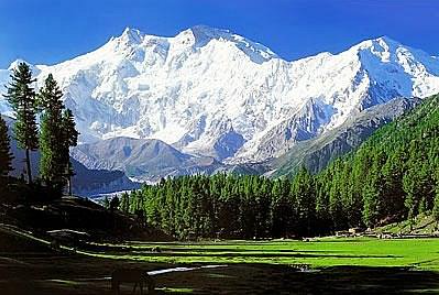
Located in the Himalayan region of Ladakh, the Sri Parvat Shaktipeeth is believed to be the place where Goddess Sati’s right ankle fell.
The temple is surrounded by majestic mountains, offering a serene and spiritually uplifting environment.
Pilgrims visit to experience peace, devotion, and connection with nature.
Explore Sri Parvat Shaktipeeth in Ladakh, a sacred Himalayan temple known for peace and spiritual energy.
Final Thoughts
The 51 Shaktipeeths form a sacred spiritual circuit across India and neighboring regions, representing the divine feminine power of Goddess Shakti. Each temple carries a unique legend, energy, and significance, making this journey deeply transformative for devotees.
Planning such a vast and spiritually rich tour can be overwhelming—but that’s where Save On Trip makes it effortless. From iconic sites like Kamakhya Temple and Kalighat Temple to the divine shrine of Vaishno Devi Temple, our expertly crafted tour packages ensure a smooth, comfortable, and fulfilling pilgrimage experience.
With Save On Trip, you get customized itineraries, reliable transport, quality stays, and complete assistance for temple darshan—so you can focus entirely on your spiritual journey. Whether you wish to visit a few sacred temples or complete the entire Shaktipeeth circuit, we help turn your devotion into a seamless travel experience.