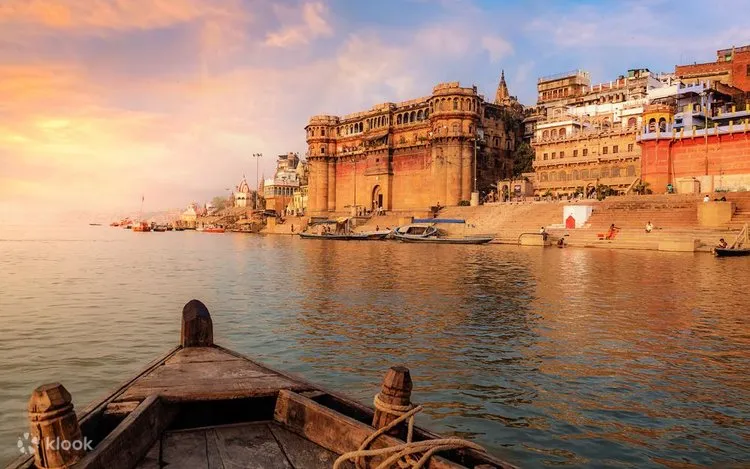




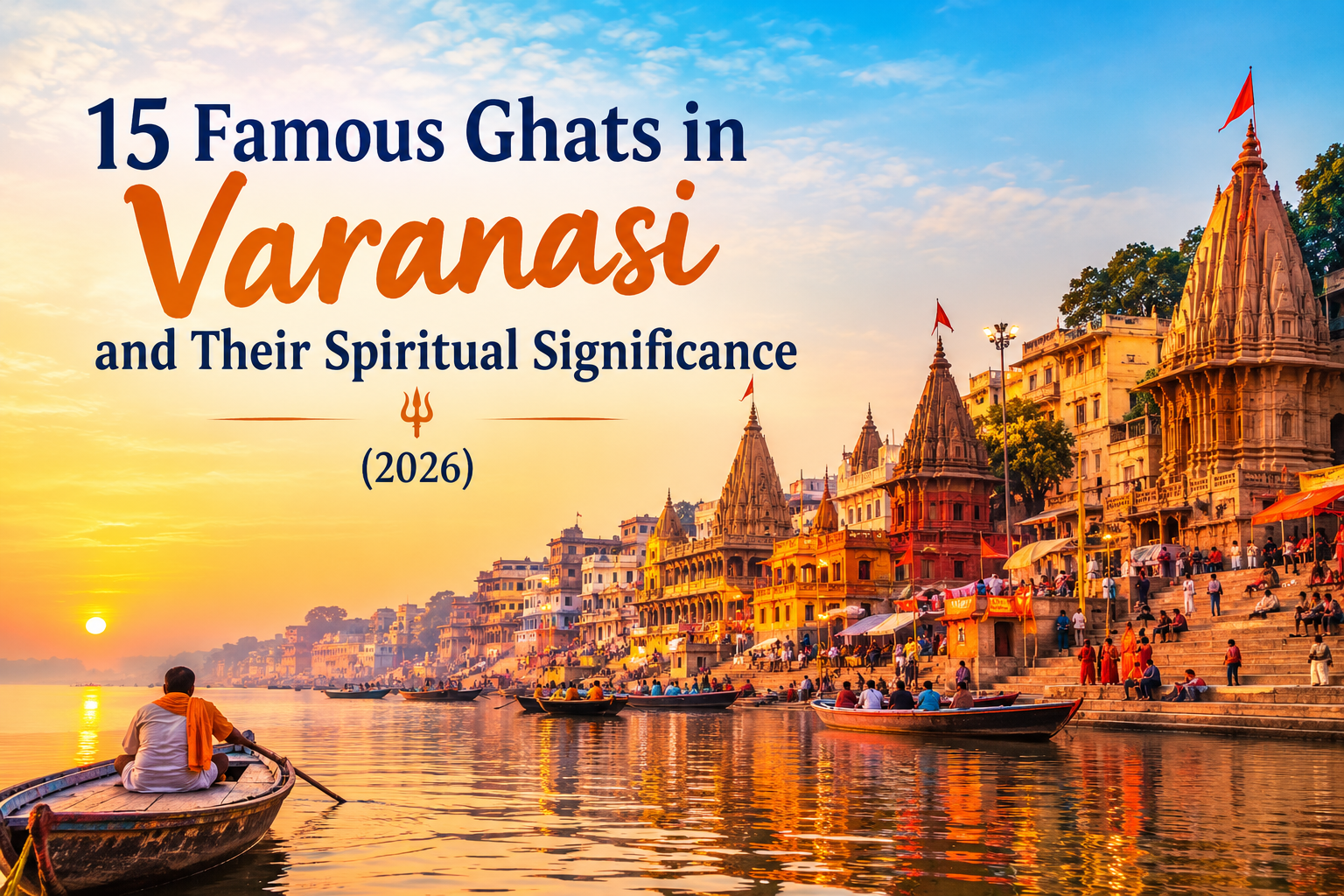
Varanasi, also known as Kashi or Banaras, is one of the oldest continuously inhabited cities in the world and the spiritual heart of India. Situated along the sacred River Ganga, the city is renowned for its ancient temples, vibrant culture, and more than 80 historic ghats that stretch along the riverbank.
Each ghat in Varanasi has its own story, mythology, and religious importance. Some are known for grand evening aartis, while others are associated with meditation, cremation rituals, yoga, festivals, or centuries-old traditions. Whether you’re a pilgrim seeking spiritual blessings or a traveler exploring India’s cultural heritage, the ghats of Varanasi offer an unforgettable experience.
This guide highlights 15 of the most famous ghats in Varanasi, explaining their significance, major attractions, and the best time to visit.
1. Dashashwamedh Ghat
Dashashwamedh Ghat is the most famous and vibrant ghat in Varanasi. According to Hindu mythology, Lord Brahma performed ten Ashwamedha Yagnas here to welcome Lord Shiva, giving the ghat its name.
It is best known as the venue for the spectacular Ganga Aarti at Dashwamedh Ghat, held every evening. The synchronized rituals, chanting of Vedic mantras, and illuminated lamps create one of India’s most iconic spiritual experiences.
Highlights
- Evening Ganga Aarti
- Boat rides
- Photography
- Religious ceremonies
- Vibrant atmosphere
Best Time to Visit: Evening
2. Assi Ghat
Located at the confluence of the Ganga and the Assi River, Assi Ghat is one of the most peaceful and picturesque ghats in Varanasi.
It is particularly popular among yoga enthusiasts, students, and travelers who enjoy the early morning ambiance. The sunrise over the Ganga from Assi Ghat is truly breathtaking.
Attractions
- Morning Ganga Aarti
- Yoga sessions
- Sunrise boat rides
- Cultural events
- Cafés overlooking the river
3. Manikarnika Ghat
Manikarnika Ghat is one of the oldest and most sacred cremation ghats in India. Hindus believe that cremation here grants Moksha, freeing the soul from the cycle of birth and rebirth.
Despite its solemn nature, it is an important part of understanding the spiritual philosophy of Varanasi.
Highlights
- Sacred cremation ground
- Spiritual significance
- Ancient mythology
- Eternal funeral flames
Visitors should observe respectfully and avoid photography.
4. Harishchandra Ghat
Named after the legendary King Harishchandra, who is remembered for his unwavering truthfulness, this ghat is another important cremation site.
It symbolizes sacrifice, honesty, and liberation.
5. Rajendra Prasad Ghat
Adjacent to Dashashwamedh Ghat, Rajendra Prasad Ghat offers a slightly less crowded location to witness the Ganga Aarti while enjoying scenic views of the river.
6. Kedar Ghat
Dedicated to Lord Shiva, Kedar Ghat is known for the Kedareshwar Temple and its colorful South Indian-style architecture. It is a favorite among devotees seeking a quieter spiritual atmosphere.
7. Panchganga Ghat
This historic ghat is believed to be the meeting point of five sacred rivers. It has long been associated with saints, scholars, and spiritual discourses.
8. Chet Singh Ghat
Known for its historic fort and panoramic river views, Chet Singh Ghat combines history with scenic beauty and is less crowded than the city’s central ghats.
9. Scindia Ghat
Scindia Ghat is famous for its partially submerged Shiva temple, which leans gracefully into the Ganga due to the soft riverbank. It is a fascinating spot for photographers and history enthusiasts.
10. Ahilyabai Ghat
Built by Maharani Ahilyabai Holkar, this peaceful ghat is admired for its cleanliness, elegant architecture, and serene atmosphere.
11. Lalita Ghat
Home to the beautiful Nepali Temple, Lalita Ghat showcases traditional Nepalese wood craftsmanship and offers a tranquil environment away from the busiest parts of the city.
12. Tulsi Ghat
Named after the poet-saint Goswami Tulsidas, Tulsi Ghat is associated with the composition of the Ramcharitmanas. It is also known for cultural events and religious gatherings.
13. Jain Ghat
This ghat holds special significance for followers of Jainism, as Varanasi is linked to the lives of several Jain Tirthankaras.
14. Shivala Ghat
Shivala Ghat is recognized for its old palaces, temples, and peaceful surroundings, making it ideal for leisurely walks and photography.
15. Bhonsale Ghat
Built by the Bhonsale rulers of Nagpur, this ghat features impressive architecture and provides a quieter alternative to the more crowded riverfront areas.
Best Time to Explore the Ghats
The ideal time to visit the ghats is from October to March, when the weather is pleasant. Early mornings offer stunning sunrise views and devotional activities, while evenings are perfect for witnessing the Ganga Aarti and enjoying the illuminated riverfront.
Suggested Ghat Walk Itinerary
A walking tour is one of the best ways to experience the ghats.
Morning
- Assi Ghat
- Tulsi Ghat
- Kedar Ghat
Afternoon
- Scindia Ghat
- Lalita Ghat
- Panchganga Ghat
Evening
- Dashashwamedh Ghat
- Rajendra Prasad Ghat
- Ganga Aarti
- Boat ride
Travel Tips
- Wear comfortable walking shoes.
- Dress modestly.
- Carry drinking water.
- Respect religious ceremonies.
- Avoid photography at cremation ghats.
- Keep the riverfront clean by avoiding littering.
Frequently Asked Questions
Which is the most famous ghat in Varanasi?
Dashashwamedh Ghat is the most famous due to the daily Ganga Aarti and its central location.
Which ghat is best for sunrise?
Assi Ghat is widely regarded as the best place to enjoy a sunrise over the Ganga.
Which ghat is used for cremation?
Manikarnika Ghat and Harishchandra Ghat are the two principal cremation ghats in Varanasi.
Can tourists visit all the ghats?
Yes, most ghats are open to visitors. However, visitors should behave respectfully, especially at cremation sites.
How many ghats are there in Varanasi?
Varanasi has more than 80 ghats, each with its own historical and religious significance.
Conclusion
The ghats of Varanasi are more than just riverfront steps—they are living symbols of India’s spiritual, cultural, and historical heritage. From the vibrant Ganga Aarti at Dashashwamedh Ghat to the peaceful mornings at Assi Ghat and the profound symbolism of Manikarnika Ghat, each location offers a unique perspective on the timeless traditions of Kashi.
Exploring these ghats allows visitors to experience the true essence of Varanasi, where faith, history, and daily life blend seamlessly along the sacred River Ganga.
At SaveOnTrip, our customized Varanasi Tour Packages include guided visits to the city’s most iconic ghats, Kashi Vishwanath Temple, Sarnath, and other important spiritual attractions, ensuring a memorable and enriching pilgrimage.