



Planning a spiritual journey to Varanasi and Ayodhya requires choosing the right season to truly experience their divine charm. Both cities hold immense religious significance and attract travelers throughout the year, but the overall experience can vary depending on weather, festivals, and crowd levels.
Understanding the Climate of Varanasi and Ayodhya
Both Varanasi and Ayodhya share a similar climate pattern, with hot summers, a humid monsoon, and cool winters. Summers (April to June) can be extremely hot, with temperatures often crossing 40°C, making outdoor exploration difficult. Monsoon (July to September) brings moderate rainfall, refreshing the surroundings but sometimes causing travel disruptions. Winters (October to March) are pleasant, with temperatures ranging between 8°C to 25°C, making it the most comfortable time to visit.
Winter Season (October to March): The Best Time to Visit
Pleasant Weather for Sightseeing
Winter is widely considered the best time to visit both cities. The cool breeze and mild sunlight create ideal conditions for exploring temples, ghats, and local markets. Walking along the sacred ghats of Varanasi or visiting temples in Ayodhya becomes a peaceful and enjoyable experience.
Ideal for Spiritual Activities
During this season, you can comfortably attend the mesmerizing Ganga Aarti in Varanasi and explore the sacred sites associated with Lord Rama in Ayodhya. The calm weather enhances meditation, rituals, and spiritual reflection.
Festival Celebrations
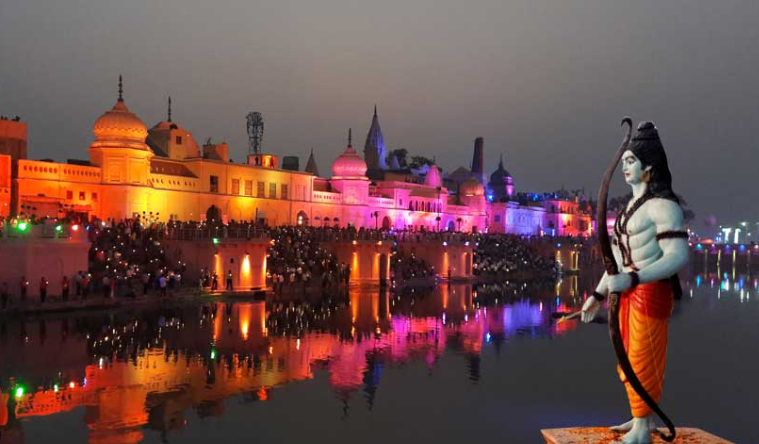
Winter also brings vibrant festivals that enrich your journey. Celebrations like Diwali transform Ayodhya into a city of lights, while Dev Deepawali lights up the ghats of Varanasi with thousands of diyas, creating a magical atmosphere. These festivals offer a unique glimpse into India’s rich cultural heritage.
Summer Season (April to June): Challenging but Less Crowded
High Temperatures
Summers in Varanasi and Ayodhya can be intense, with scorching heat and dry winds. Daytime sightseeing can be exhausting, especially for elderly travelers or families with children.
Budget-Friendly Travel
However, this season can be ideal for budget travelers, as hotel rates and tour packages are generally lower. Early morning and evening visits to temples and ghats are still manageable and peaceful due to fewer crowds.
Monsoon Season (July to September): A Refreshing Experience
Scenic Beauty
The monsoon season brings greenery and a fresh ambiance to both cities. The ghats of Varanasi look serene, and the surroundings of Ayodhya become more vibrant.
Travel Considerations
While the weather becomes cooler than summer, occasional heavy rains may disrupt travel plans. Slippery ghats and waterlogged streets can make sightseeing challenging. However, if you enjoy a quieter and less crowded experience, monsoon can still be a good option.
Best Time for Festivals and Cultural Events
Experience Spiritual Grandeur
If you want to witness the true essence of these sacred cities, plan your visit during major festivals. Apart from Diwali and Dev Deepawali, festivals like Ram Navami are celebrated with great devotion in Ayodhya, attracting thousands of pilgrims.
Cultural Immersion
These events provide an opportunity to experience traditional rituals, local cuisine, and vibrant cultural performances. The cities come alive with devotion, making your trip more memorable.
Month-by-Month Travel Guide
- October to November: Perfect weather, festive vibes, and ideal for photography.
- December to January: Cold mornings and evenings, but great for spiritual exploration.
- February to March: Pleasant climate with fewer crowds, ideal for a relaxed trip.
- April to June: Very hot, suitable only for budget travelers.
- July to September: Rainy season with lush scenery but possible travel disruptions.
Travel Tips for the Best Experience
Plan Early for Peak Season
Winter and festival periods attract a large number of tourists. It is advisable to book accommodations and travel packages in advance.
Dress Comfortably
Carry light woolens during winter and breathable clothing during warmer months. Comfortable footwear is essential for exploring temples and ghats.
Stay Hydrated and Safe
If visiting in summer, keep yourself hydrated and avoid stepping out during peak afternoon hours.
Conclusion
The best time to visit Varanasi and Ayodhya is undoubtedly from October to March, when the weather is pleasant and festivals add a magical charm to your journey. Whether you seek spiritual peace, cultural experiences, or a memorable holiday, choosing the right season will enhance your travel experience. Plan wisely to immerse yourself in the divine aura of these sacred destinations.