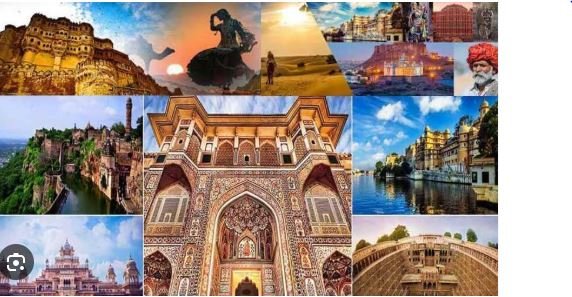




Rajasthan is widely known for its magnificent forts that reflect the grandeur and bravery of the Rajput era. These historic structures were built not only for defense but also as royal residences and symbols of power. Today, many of these forts stand proudly on hills, deserts, and city landscapes, offering visitors a glimpse into Rajasthan’s rich history and architectural brilliance.
For travelers exploring Rajasthan, visiting these impressive forts is one of the most memorable experiences. Each fort tells a unique story of kings, battles, and royal life that shaped the cultural heritage of the region.
Amber Fort – A Jewel of Jaipur
Amber Fort, located just outside the city of Jaipur, is one of the most famous forts in Rajasthan. Built with red sandstone and marble, the fort showcases a perfect blend of Rajput and Mughal architectural styles.
Visitors entering the fort pass through grand gates and courtyards that lead to beautifully decorated halls and royal chambers. The Sheesh Mahal, also known as the Mirror Palace, is one of the most admired sections of Amber Fort because of its intricate mirror work and detailed craftsmanship.
The fort also offers breathtaking views of the surrounding hills and Maota Lake, making it a popular destination for photographers and history lovers.
Mehrangarh Fort – Pride of the Blue City
Mehrangarh Fort is one of the largest and most impressive forts in India. Located in Jodhpur, this massive structure rises dramatically above the city and offers spectacular views of the blue houses below.
The fort contains several palaces, museums, and courtyards that display royal artifacts, ancient weapons, and beautifully preserved decorations. Visitors can explore galleries that showcase the lifestyle and traditions of Rajasthan’s royal families.
Mehrangarh Fort is also known for its thick stone walls and massive gates, which were built to protect the kingdom from invaders.
Jaisalmer Fort – The Golden Fort
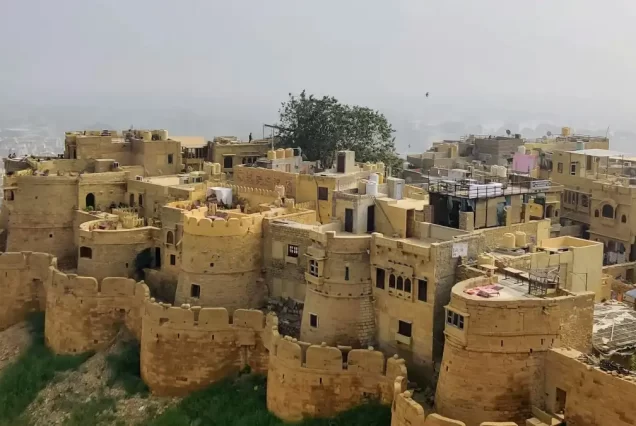
Jaisalmer Fort is one of the most unique forts in Rajasthan because it is still inhabited by local residents. Built in the heart of the Thar Desert, the fort is made from golden sandstone that glows beautifully under the sunlight.
Inside the fort, travelers can explore narrow streets filled with traditional houses, temples, shops, and restaurants. The architecture reflects the desert heritage of the region and provides an authentic glimpse into local life.
The fort’s location in the desert also makes it a perfect starting point for camel safaris and desert adventures.
Chittorgarh Fort – A Symbol of Courage
Chittorgarh Fort is one of the largest forts in India and holds great historical significance in Rajasthan’s history. The fort is associated with stories of bravery and sacrifice, particularly the legendary tales of Rajput warriors who defended their kingdom.
Spread across a vast hilltop area, Chittorgarh Fort includes palaces, temples, towers, and water reservoirs. The Vijay Stambh, or Victory Tower, is one of the most famous monuments inside the fort and stands as a symbol of triumph and strength.
Exploring Chittorgarh Fort allows visitors to learn about the heroic history that shaped Rajasthan’s identity.
Kumbhalgarh Fort – The Great Wall of India
Kumbhalgarh Fort is another remarkable destination that showcases Rajasthan’s architectural brilliance. The fort is famous for its enormous defensive wall, which stretches for more than 30 kilometers and is often compared to the Great Wall of China.
The fort is surrounded by the scenic Aravalli hills and offers panoramic views of forests and valleys. Because of its remote location, Kumbhalgarh provides a peaceful and scenic experience for travelers who enjoy nature and history.
It is also recognized as a UNESCO World Heritage Site and is considered one of the most important historical landmarks in Rajasthan.
Why Rajasthan’s Forts Are So Special
The forts of Rajasthan are more than just historical monuments. They represent the courage, creativity, and cultural heritage of the region. Their strategic locations on hills and deserts demonstrate the intelligence of the architects who designed them centuries ago.
These forts also preserve valuable historical artifacts, artwork, and architectural details that reveal how royal families once lived and governed their kingdoms.
Conclusion
Rajasthan’s forts remain some of the most impressive historical structures in India. From the elegant halls of Amber Fort to the towering walls of Mehrangarh and the golden beauty of Jaisalmer Fort, each destination offers a unique glimpse into the royal history of the region.
For travelers exploring Rajasthan, visiting these magnificent forts provides a deeper understanding of the state’s rich heritage and architectural brilliance. These historic landmarks continue to inspire visitors with their stories, beauty, and timeless charm.